


Beat the Mid-Summer Swelter: When to Call for Emergency AC Repair in Alliance
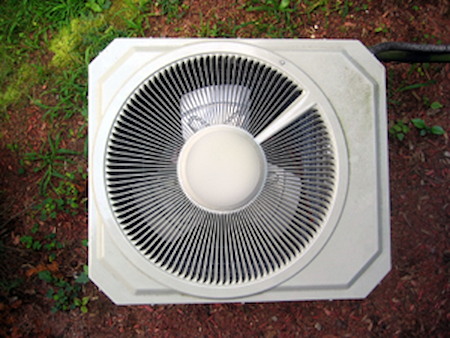
When the heat index climbs in Alliance, even a short AC outage feels long. If your home is getting hotter by the minute, it may be time for emergency AC repair in Alliance. This guide shows you what rises to a true emergency, how to stay safe, and what to do while you wait for help. If you suspect an urgent issue, schedule an appointment right away on our emergency repairs page and then use the steps below to protect your family.
Why AC Failures Become Emergencies in Alliance, OH
Alliance summers can be muggy, and homes near the University of Mount Union or along State Street and Union Avenue feel it fast. High humidity makes indoor temperatures climb quickly, especially in older houses or apartments with limited insulation. That can stress children, older adults, and pets. If you are facing a broken air conditioner in Stark County during a heat wave, treat it like a health and comfort priority.
Many homeowners search for Alliance 24/7 cooling service when the heat spikes and the system quits. The reality is simple: when indoor temps rise past safe levels or you spot signs of electrical trouble, your situation is urgent. Knowing the red flags helps you act quickly and avoid bigger problems.
Quick Safety-First Checklist Before You Call
Use this short list to decide if your cooling problem requires urgent attention. Stay safe and avoid trial-and-error fixes.
- Electrical sparking is an emergency. If you hear popping, see scorch marks, or smell a sharp electrical odor, keep a safe distance and turn the system off at the thermostat.
- System is completely dead and indoor temps are rising fast, especially with infants, seniors, or medical needs at home.
- Warm air is blowing during a heat advisory, and the indoor temperature is already above 80–85°F.
- Breaker tripped and will not hold after one reset attempt. Do not reset breakers repeatedly.
- Water around the indoor unit or ceiling stains below the air handler. Water near electrical components is unsafe.
- Ice on the refrigerant line or outdoor unit during a hot afternoon, with no cooling in the home.
- Burning, smoky, or chemical smells coming from supply vents.
If any of these match your situation, this is not a wait-and-see moment. Call Harding Heating and Cooling at 330-823-8461 and keep cool in the safest room you have while you wait.
When To Call For Emergency AC Repair Right Now
Completely Dead System In Extreme Heat
If your thermostat has power but the system does not respond, and your home is heating up quickly, prioritize an emergency visit. In Alliance neighborhoods near the University of Mount Union, apartments can warm up fast due to smaller floor plans and close rooflines. Heat stored in walls continues to radiate indoors, which can affect sleep and wellness.
Electrical Hazards You Can See or Smell
Sparking, sizzling, hot plastic odors, or visible scorch marks point to a possible electrical failure. These problems can escalate. Turn the system off at the thermostat and keep family members away from the equipment area. Heat-related illness can set in quickly when cooling is offline, so call for help promptly.
Blowing Warm Air During a Heat Advisory
Warm air at the vents during a July or August heat stretch in Alliance is a big red flag, especially in homes with south-facing windows or limited shade trees. If the system runs non-stop and still cannot lower the temperature, you risk frozen coils, compressor strain, and indoor humidity that encourages mold growth. In that case, request an urgent visit to protect your system and your comfort.
Rapid Leaks or Ice Build-Up
Water pooling near the furnace or air handler, or ice forming on the copper line set, can point to airflow restrictions or drainage issues. Left alone, water can damage ceilings or floors, and ice can stress components. If you notice either during a hot afternoon, make the call.
Alliance heat waves often spike right when students move in near the University of Mount Union, which packs apartments and raises demand. If your AC quits during one of these stretches, treat indoor heat like a safety issue and plan for cool zones while help is on the way.
What You Can Do While You Wait
Once you have a scheduled visit, focus on comfort and safety, not repairs. Keep living spaces as cool as possible without overworking the system. Close sun-facing blinds, avoid using the oven, and drink water. Move vulnerable family members to the lowest, shadiest room.
Clear a path to the thermostat, electrical panel, and indoor unit so your technician can work quickly. Crate pets if needed, and gather any brand or model numbers you can see without removing panels. If your home relies on a single system for all floors, consider using a small fan in occupied rooms, but avoid directing air straight at the thermostat, which can give false readings.
If you want to understand how your cooling equipment is designed to perform on normal days, review our overview of residential cooling services on air conditioning. It explains the comfort features a tuned system should deliver when the weather is average, which helps you describe what changed during this outage.
Simple AC Troubleshooting Tips To Share With Your Tech
These are observation tips only. Skip tools and panels. Share the following details so your technician can diagnose faster and reduce time on site:
- Note the exact time you first lost cooling and what the thermostat was set to.
- Confirm whether any lights flickered or appliances shut off around the same time.
- Listen for unusual sounds right before the failure, like loud humming, rattling, or short starts.
- Check for airflow differences room to room. Are bedrooms near the Glamorgan area warmer than the living room, or is the whole home equally warm?
- Look for moisture near the indoor unit or ceiling below it, and report any musty or hot plastic odors.
- Tell your tech if the outdoor unit is running constantly or cycling on and off very quickly.
If you need a quick starting point for emergency AC repair in Alliance resources and service options, visit our main site to learn what to expect and how fast help can arrive in your area.
How Harding Heating and Cooling Handles Emergency Calls
During extreme heat, our team prioritizes no-cooling and safety-related calls first. When you reach out, we log what you are experiencing, note any electrical concerns, and schedule the next available emergency slot. You will know the name of your technician, the arrival window, and any steps to prepare your space so work can begin the moment we arrive.
We serve Alliance and nearby Stark County communities with a focus on fast diagnostics and clear communication. Our goal is to restore safe cooling and humidity control, then advise you on next steps that match your home and timeline. If the weather breaks while you wait, we still recommend keeping your appointment so we can identify what caused the outage and help prevent a repeat during the next hot spell.
Why Some Cooling Issues Can’t Wait
Not all AC problems are created equal. A small comfort quirk can wait for a routine visit. But certain symptoms point to issues that can cause bigger damage or affect health if ignored in hot, sticky weather:
Warning signs that demand urgent attention:
- Electrical odors, visible sparks, or scorch marks
- No cooling at all while indoor temps are climbing
- Warm air from vents during a heat advisory
- Rapid water leaks or ice forming on lines
If these sound familiar, head to our emergency repairs page to request service, then focus on staying cool and hydrated until your technician arrives.
Prevent the Next Breakdown
Once today’s emergency is resolved, a little planning helps you avoid the next mid-summer surprise. Seasonal tune-ups catch loose wires, airflow restrictions, weak capacitors, and drainage problems before they turn into outages. If humidity has been a constant issue, improving filtration and ventilation can also support a healthier home. Explore options that support cleaner, drier air on our indoor air page and ask your technician what fits your system and floor plan.
It also helps to review your thermostat program when the seasons flip. Make sure schedules reflect your actual routine, especially if your family is home more during summer break or on evenings near campus events. Small changes in set points and fan strategy can reduce strain on your cooling equipment without sacrificing comfort.